
Unlocking Promotional Mechanics in Dynamic Racket Sport Markets for Controlled Play in Swiss Settings
Dynamic racket sport markets in Switzerland feature promotional mechanics that operators deploy across tennis, badminton, and squash events, and these tools tie directly into frameworks for controlled play that align with national regulations. Data from Swiss market reports shows how welcome bonuses, enhanced odds on live rallies, and cashback structures activate during peak tournament periods, yet each promotion includes built-in limits such as deposit caps and session timers that support responsible participation.
Core Mechanics Behind Racket Sport Promotions
Operators structure promotions around real-time match variables including set scores, serve percentages, and point differentials, which creates layered offers like partial stake refunds when a player reaches a breakpoint threshold. Research indicates that these mechanics update through integrated platforms where market fluctuations trigger automatic adjustments, and Swiss venues apply the same logic to both pre-match and in-play segments. Observers note that a typical promotion might offer a multiplier on accumulator bets covering three or more racket sport fixtures, while the system simultaneously enforces a maximum exposure threshold tied to the player's verified account history.
Integration with Swiss Regulatory Standards
Swiss law requires that every promotional mechanic includes clear disclosure of wagering requirements and maximum payout ceilings, and this applies uniformly to racket sport offerings in licensed venues. According to records from the Swiss Federal Office of Justice, operators must display these parameters before activation, which allows participants to review terms in advance. Figures reveal that compliance checks occur quarterly, and any promotion that fails to meet transparency criteria faces suspension until revisions align with the standards.
Controlled play features such as reality checks and self-exclusion lists integrate directly into the promotional flow, so that when a player opts into an enhanced odds deal the platform logs the session length and prompts a break option at set intervals. Studies from European research institutions confirm that these combined systems reduce extended play sessions by measurable margins across racket sport betting segments.
Market Dynamics Specific to August 2026 Schedules
August 2026 brings an expanded calendar of indoor racket sport tournaments in Switzerland, and promotional calendars adjust accordingly with early-bird deposit matches and loyalty tier upgrades that unlock after a defined number of controlled sessions. Operators link these incentives to verified activity logs rather than volume alone, which means participants who maintain predefined time and spend parameters receive tier progression automatically. Data shows that such linkage encourages consistent use of limit-setting tools while still delivering value through the promotions themselves.
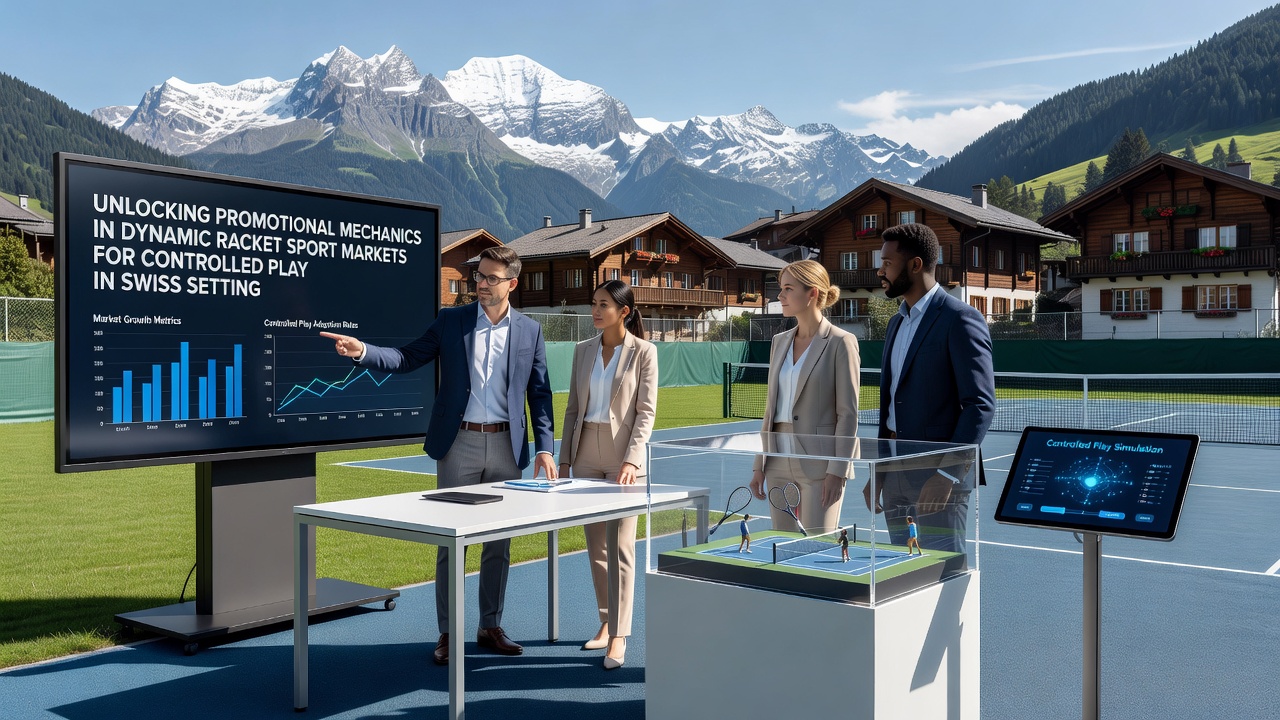
Live market volatility in racket sports creates opportunities for time-sensitive promotions, yet Swiss platforms embed automatic safeguards that pause new offers once a player reaches a personal daily threshold. Researchers at academic centers across Canada and Australia have documented similar approaches in other regulated markets, noting that the combination of dynamic pricing and enforced pauses maintains engagement without exceeding established boundaries.
Case Examples from Swiss Venues
One Swiss venue implemented a badminton-focused promotion during a regional championship series where participants received incremental rewards for correctly predicting rally lengths, and the system capped total rewards at a fixed percentage of the initial stake. Another operator tied tennis live-bet promotions to serve accuracy statistics, automatically crediting small cashback amounts only after the player confirmed continued participation through an on-screen check. These examples illustrate how mechanics operate within the controlled play parameters required by Swiss oversight bodies.
Industry reports from the European Gaming and Betting Association highlight that racket sport promotions in regulated Swiss settings maintain higher transparency scores compared with less structured markets, largely because every offer must reference the underlying responsible gaming tools. What's interesting is how operators now bundle educational modules about probability and session management directly into the promotional interface, so that unlocking a bonus requires brief interaction with the module first.
Future Adjustments and Market Evolution
Market analysts project that by late 2026 additional data layers will refine promotional targeting, allowing offers to respond not only to match events but also to individual play patterns collected over multiple seasons. Swiss regulations already mandate annual audits of these systems, and the audits examine whether promotions inadvertently encourage extended sessions beyond recommended limits. Evidence from ongoing monitoring programs shows consistent application of these audits across multiple racket sport categories.
External partnerships with equipment manufacturers occasionally appear in promotional structures, where branded racket giveaways accompany controlled-play milestones, yet redemption still routes through the same verification and limit-setting processes. This approach keeps the focus on measurable activity rather than unchecked volume.
Conclusion
Promotional mechanics in Swiss racket sport markets operate within a tightly regulated environment that embeds controlled play features at every stage. Data from multiple sources demonstrates that operators adjust offers in real time while maintaining mandatory disclosures, session controls, and audit trails. As the August 2026 calendar approaches, these integrated systems continue to evolve through quarterly compliance reviews and cross-market research, ensuring that dynamic promotions remain aligned with Swiss standards for responsible participation.